Creating the Perfect Tailored Produce Boxes: A Step-by-Step Approach
Building custom produce boxes calls for a strategic approach. Professionals must consider environmental responsibility, practicality, and visual appeal. Picking the right components is crucial for preserving quality and promoting eco-friendly methods. Additionally, dimensions and configuration can greatly impact usability and transport efficiency. Effective visual elements strengthen company recognition, while detailed testing guarantees durability. Understanding these components will reveal key understanding into producing exceptional packaging solutions that resonate with consumers. What comes next is fundamental to accomplishing those goals.
Selecting the Appropriate Supplies for Custom Produce Boxes
When evaluating materials for custom produce boxes, it is important to examine both usefulness and eco-friendliness. The choice of material significantly influences the box's durability, weight, and ability explore here to shield the contents. Common materials include corrugated cardboard, which offers strength and is environmentally recyclable, making it a favored choice for green-minded businesses. Compostable options, such as molded pulp or plant-based plastics, also support sustainable practices while delivering appropriate protection for delicate produce.
Additionally, water resistance is vital for preserving product freshness, moving some producers to examine treated materials or specialized coatings. The aesthetic appeal of the box warrants attention, as brand messaging and design aesthetics can impact customer attitudes. Ultimately, the proper selection should achieve balance between protecting the produce, satisfying consumer preferences, and complying with sustainability guidelines, ensuring both functionality and sustainability are prioritized to the creation phase.
How to Opt for Size and Shape for Operational Use?
When choosing the dimensions and form of custom produce boxes, thorough evaluation of produce dimensions is essential for proper storage. Additionally, attention to handling and transport can impact the box design, ensuring ease of movement. Optimizing shelf space usage further improves functionality, allowing for efficient display and storage.
Evaluate Produce Dimensions Carefully
Assessing the suitable size and shape for vegetable boxes is fundamental for workflow efficiency. Accurate assessment of product dimensions is indispensable, as it validates that items fit firmly without excess space that could produce damage during storage or transport. Bespoke boxes need to support various shapes, from soft-skinned fruits to bulky vegetables, while sustaining durability. Furthermore, the height and width of the boxes should facilitate organized stacking and organization, making full use of space in storage areas. A well-designed box not only protects the produce but also enhances consumer attraction for buyers. To sum up, careful consideration of dimensions contributes to minimizing losses and improving overall user experience in the supply chain.
Review Handling and Transport Procedures
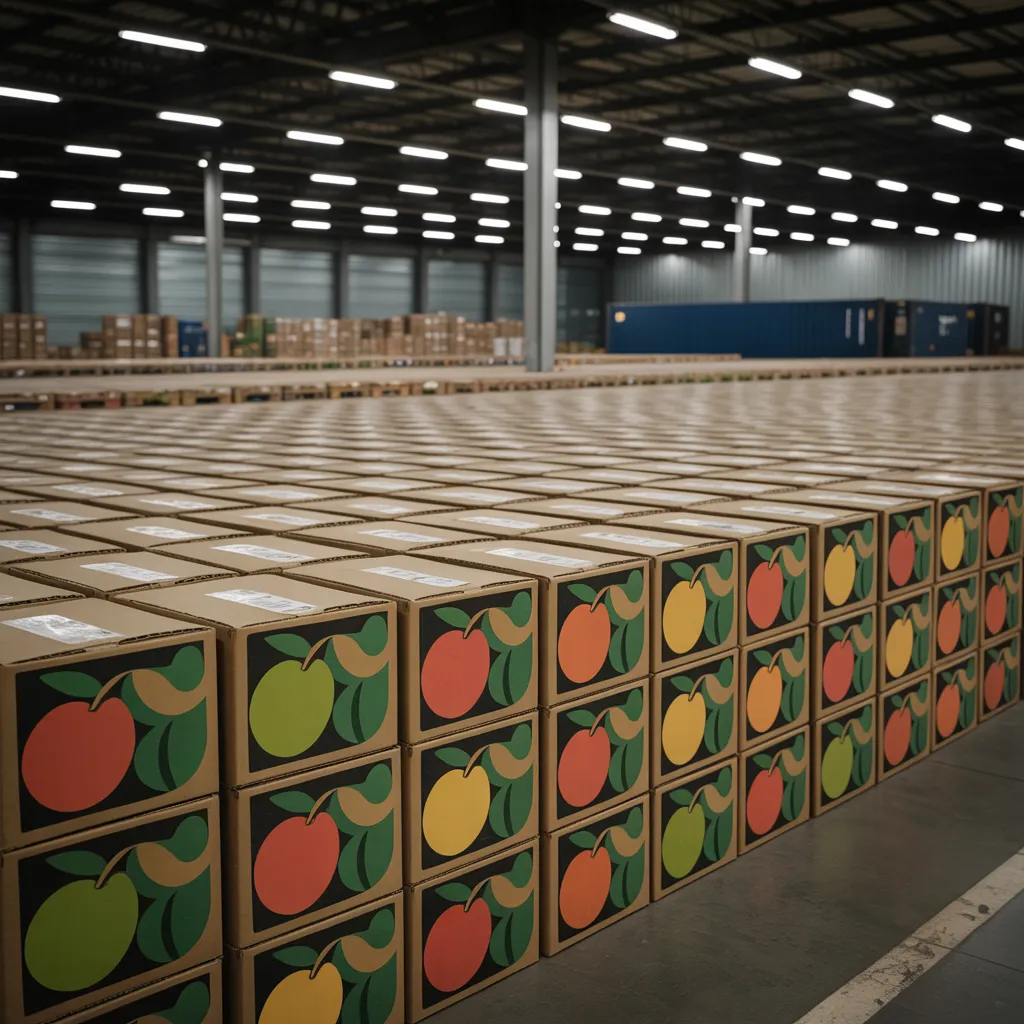
Handling and transport considerations play a significant role in ascertaining the suitable dimensions and contour of tailored agricultural boxes. The dimensions must fit the produce lacking excessive room, which would lead to movement and deterioration throughout transit. Smaller, compact boxes facilitate easier handling, whereas bigger containers could become necessary when handling bulkier goods. Additionally, proper ergonomics is essential; handles and access ports should be strategically placed so as to provide pleasant hoisting and moving. The configuration of the box likewise influences nesting along with stability, confirming where items remain secure. In conclusion, thoughtful review of such considerations boosts the efficiency in transport, lessens goods loss, and supports the overall quality of the produce commencing at orchard reaching purchaser.
Maximize Display Space Efficiency
Maximizing shelving performance is contingent upon choosing the correct proportions and design of specialized agricultural containers. Design teams should assess the dimensions of the storage systems as well as the types of produce being arranged. Rectangular boxes often enhance room optimization, facilitating for more straightforward stacking and alignment. Alternatively, unusual shapes can boost visual appeal but may create unused space if not properly structured.
It's crucial to assess the inventory turnover rate; faster-moving items might benefit from smaller, easily accessible boxes. Additionally, incorporating flexible or customizable structures can support different dimensions of items while improving display arrangement. By prioritizing practical design combined with visual appeal, companies can create a functional and attractive presentation that enhances both accessibility and product visibility.
How to Build Artwork That Get Attention?
Striking graphics can turn a simple custom produce box into a artistic creation that captures focus. To achieve this, artists should begin by picking a color scheme that demonstrates the crispness and liveliness of the produce. Bright, attention-grabbing colors can trigger feelings of freshness and health, driving consumers to take a closer look.
Strong typefaces is also essential; clear and legible fonts can effectively communicate key details while enhancing design attractiveness. In addition, employing superior photographs of the goods can create an immediate connection, showcasing the product's quality and enticing prospective customers.
Furthermore, incorporating distinctive visual elements and patterns can help set apart the brand in a crowded market. Alignment in design elements, such as logos and taglines, solidifies brand identity. Ultimately, a blend of creativity and clarity in graphic design can greatly elevate the impact of custom produce boxes, making them stand out on shelves.
Green Practices for Custom Produce Box Protective Covering
An rising number of businesses are implementing environmentally sustainable practices for custom produce box packaging, recognizing its significance in today's eco-aware market. These practices often include the use of decomposable materials, such as recycled paper and plant-based plastics, which minimize environmental impact. Companies are also focusing on sustainable sourcing, ensuring that materials are obtained from responsibly managed forests or suppliers who prioritize environmental stewardship.
Additionally, many brands are selecting minimalistic layouts that reduce waste while still successfully showcasing their products. This strategy not only appeals to environmentally aware consumers but also helps in cutting down production costs. Moreover, businesses are increasingly adopting efficient manufacturing processes that limit energy consumption and waste generation. By incorporating these eco-friendly practices, companies not only enhance their brand image but also contribute positively to the planet, aligning their operations with a sustainable future.
Evaluate Your Bespoke Produce Box Format
Testing the design of personalized vegetable containers is an essential step in guaranteeing they meet both visual and functional needs. This procedure usually involves evaluating elements such as strength, size, and usability. First, samples should be created to evaluate the container's physical stability, making certain it can endure transportation and keeping without damaging the contents.
Following this, usability assessments can be executed to measure how readily the boxes can be unfastened, closed, and stacked. Comments from target consumers can be invaluable in this period, delivering knowledge of the box's practicality.
Furthermore, the aesthetic quality of the design should be evaluated through focus groups or surveys, measuring consumer reactions to branding elements, colors, and overall presentation.
In the end, comprehensive evaluation permits designers to enhance the box, guaranteeing it not only appeals to customers but also adequately protects and displays the produce within, striking the right equilibrium between form and function.
Promoting Your Tailored Produce Boxes Successfully
Effective marketing of custom vegetable containers necessitates a well-planned strategy that highlights their distinctive advantages and value. Organizations must prioritize identifying their target audience, whether they are local farms, grocery stores, or individual consumers. Utilizing social media platforms can enhance brand awareness, presenting the boxes' design and practicality through compelling visuals and storytelling.
In addition, aligning with regional personalities and growers can reinforce credibility and increase reach. Rolling out bargains or markdown offers during busy seasons can appeal to debut patrons and motivate repeat business.
Additionally, emphasizing sustainability and eco-friendliness in promotional content can appeal to environmentally conscious consumers. Providing detailed information about material composition and the benefits of custom packaging can further differentiate the product in a competitive market.
Ultimately, a comprehensive marketing strategy that combines digital and local activities will successfully publicize custom produce boxes, attracting a heterogeneous clientele and driving sales.
Common Inquiries Posed Often
What Do the Charges Linked to Custom Produce Box Development?
Expenses tied to custom produce box design encompass supplies, printing services, labor costs, and shipping. Furthermore, design services and minimum order quantities can change total expenses, resulting in variable pricing based on particular specifications and scale of production.
How Much time Does Manufacturing of Custom Boxes Take?
The manufacturing of personalized packaging generally requires between two to six weeks. Factors influencing this timeline consist of design complexity, materials availability, and manufacturing capacity, all of which may impact delivery schedules and lead times.
Is it Feasible to Buy a Small Volume of Custom Produce Boxes?
Yes, modest quantities of personalized fruit and vegetable boxes can usually be ordered. Many distributors provide minimum order quantities, permitting enterprises or consumers to get tailored packaging options without having to commit to substantial amounts at the start.
What Frequent Mistakes Should You Dodge in Custom Box Design?
Typical errors in custom box design involve overlooking functionality, disregarding brand consistency, underestimating material quality, failing to consider target audience preferences, and neglecting environmental impact. Each aspect is essential for effective packaging and customer satisfaction.
How Do I Ensure That My Boxes Comply with Food Safety?
To ensure boxes are safe for food, one must choose materials approved for food contact, prevent harmful inks and adhesives, maintain cleanliness during production, and regularly test for compliance with health regulations and safety standards.